Top 5 Signs Your Garage Door Opener Is About to Fail
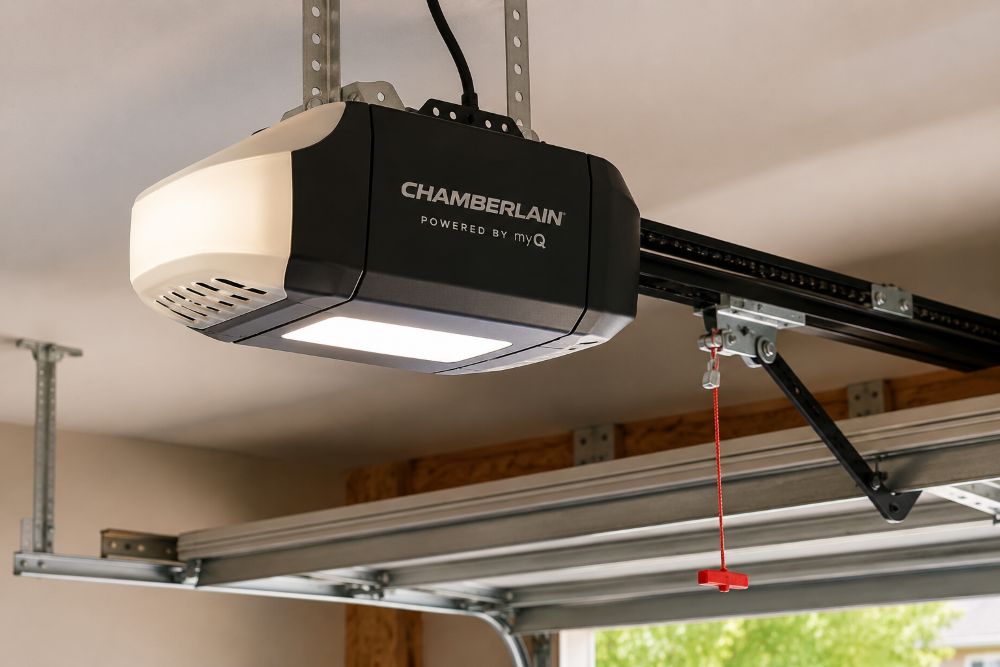
Your garage door opener is something you probably don’t think about very often until you press the button and nothing happens.
Fortunately, most garage door openers don’t fail without warning. Changes in the way your opener sounds, moves, or responds can provide clues that something isn’t working properly. Recognizing those warning signs early can help you avoid getting stuck inside your garage or coming home to a door that won’t open.
Here are five signs that your garage door opener may be headed for trouble.
1. Your Garage Door Opens or Closes Much Slower Than It Used To
A garage door doesn’t need to move at lightning speed, but you probably know what “normal” looks like for your door.
If it suddenly begins moving noticeably slower, hesitating before it starts, or stopping briefly during operation, something may be wrong.
Possible causes include:
- A weakening garage door opener motor
- Worn internal opener components
- Problems with the drive system
- Improper garage door balance
- Worn rollers or other hardware
- A spring system that is no longer properly supporting the door
It’s important to remember that the opener isn’t supposed to do all the heavy lifting by itself. Garage door springs counterbalance the weight of the door. If there’s a problem with the springs or door balance, the opener may have to work much harder than it should.
That additional strain can eventually damage the opener.
Don’t Assume the Opener Is the Problem
If your door starts moving slowly, it’s a good idea to have the entire garage door system inspected, rather than simply replacing the opener.
Sometimes the opener is perfectly fine and another component is causing the problem.
2. The Opener Makes Grinding, Humming, or Straining Noises
Garage door openers naturally make some noise, but a noticeable change in sound deserves attention.
You might hear:
- Grinding
- Humming
- Buzzing
- Clicking
- Rattling
- Straining sounds
A motor that hums while the garage door doesn’t move can indicate a problem inside the opener, but it can also happen when something prevents the door itself from moving properly.
Grinding sounds may point toward worn internal gears or other mechanical components.
What If the Motor Runs but the Door Doesn’t Move?
If you hear the opener running but your garage door remains stationary, stop repeatedly pressing the button.
The problem could involve the opener trolley or drive mechanism, but it could also be a broken spring, damaged cable, or jammed garage door.
Continuing to operate the opener can potentially turn one repair into several.
3. Your Garage Door Opener Works Intermittently
You press the remote and nothing happens.
You press it again and the garage door opens.
The next morning, everything works perfectly.
A few days later, it happens again.
Intermittent problems are easy to ignore because the opener eventually starts working again. Unfortunately, they can also be an early warning that something is beginning to fail.
Possible causes include:
- Aging electronics
- Remote or receiver problems
- Loose electrical connections
- Safety sensor issues
- Worn internal components
- Overheating opener motors
Before assuming the opener itself is failing, replace the batteries in your remote and test the wall-mounted control.
If problems continue with multiple controls, it’s time to have the opener inspected.
4. The Garage Door Reverses or Stops Unexpectedly
Modern garage door openers include important safety systems designed to prevent the door from closing on a person, pet, vehicle, or object.
If your garage door begins closing and then suddenly reverses, the first thing to check is the safety sensors near the bottom of the tracks.
Look for:
- Objects blocking the sensors
- Dirt or cobwebs covering the lenses
- Snow or debris around the sensors
- Sensors that have been bumped out of alignment
If the opening is clear and the sensors appear properly aligned, repeated reversing may indicate another problem.
The door itself may be binding, the opener’s travel or force settings could be incorrect, or another mechanical issue may be preventing smooth operation.
Never Disable Your Garage Door Safety Sensors
Safety sensors are there for a reason. Don’t bypass or disable them just to get a malfunctioning garage door to close.
Have the underlying problem diagnosed instead.
5. Your Garage Door Opener Is Old and Becoming Unreliable
Garage door openers don’t last forever.
If yours has been operating for many years and you’re beginning to experience repeated problems, investing in another repair may not always make sense.
Older openers can develop issues with:
- Motors
- Gears
- Circuit boards
- Remotes
- Safety systems
- Drive components
Replacement can also provide features that weren’t available when an older opener was installed.
Depending on the model you choose, a modern garage door opener may offer:
- Smartphone control
- Remote garage monitoring
- Alerts when the door opens or closes
- Battery backup
- Improved security
- Quieter operation
- Integrated cameras or lighting
If your opener is becoming increasingly unreliable, 285 Garage Doors can inspect the system and help you determine whether repair or replacement makes more sense.
Is It the Garage Door Opener—or the Garage Door?
This is one of the most important distinctions homeowners should understand.
Your opener is only one component of the complete garage door system.
A garage door that suddenly won’t open could actually have:
- A broken spring
- A damaged cable
- A roller problem
- A bent or obstructed track
- A balance issue
- A damaged section
If the door becomes unusually heavy, crooked, or difficult to move, repeatedly operating the opener can place tremendous stress on its motor and drive components.
That’s why professional diagnosis can save you from replacing parts unnecessarily.
Can Colorado Weather Affect Your Garage Door Opener?
It can contribute to garage door problems, particularly when other components are already worn.
Homes around Conifer and Aspen Park experience significant seasonal temperature changes, snow, ice, moisture, and cold overnight temperatures.
Cold weather can expose weaknesses in an aging garage door system. Lubricants can become less effective, metal components contract, and a door that is already poorly balanced can put additional strain on the opener.
Keeping the entire system properly maintained helps your opener do its job without unnecessary stress.
Don’t Ignore the Early Warning Signs
A garage door opener problem is much easier to deal with when your garage door still works.
Waiting until the opener completely fails could leave your vehicle trapped inside the garage—or leave you unable to secure the garage door at all.
Consider scheduling an inspection if you notice:
- Slower operation
- New or unusual noises
- Intermittent response
- Unexpected reversing
- Frequent opener problems
- An opener that struggles to move the door
Addressing the problem early may mean a relatively simple repair instead of an emergency service call.
Garage Door Opener Repair in Conifer, Aspen Park & the Highway 285 Corridor
If your garage door opener is making strange noises, responding inconsistently, or simply isn’t working the way it used to, 285 Garage Doors can help determine what’s causing the problem.
We provide professional garage door and opener service throughout Conifer, Aspen Park, Bailey, Evergreen, Pine, Morrison, and surrounding Colorado foothill communities.
Whether the problem is the opener itself, a broken spring, damaged hardware, or another component of the garage door system, we’ll diagnose the issue and recommend the appropriate repair.
Call 285 Garage Doors at 720-978-7285 to schedule garage door opener service.
Frequently Asked Questions
How do I know if my garage door opener motor is going bad?
Common warning signs include slower operation, unusual grinding or humming noises, intermittent operation, and an opener that struggles to move the garage door. However, similar symptoms can be caused by problems with the door itself, so it’s important to inspect the complete system.
Why does my garage door opener hum but not open the door?
A humming opener could indicate a problem with the opener motor or internal components, but a broken spring or jammed garage door can produce similar symptoms. Avoid repeatedly operating the opener until you know what’s preventing the door from moving.
Should I repair or replace an old garage door opener?
It depends on the opener’s age, condition, repair cost, and available replacement features. If an older opener requires frequent repairs, replacement may provide better long-term value and newer safety, security, and smart-home features.
Why does my garage door start closing and then go back up?
Check for anything blocking the safety sensors near the bottom of the garage door. Dirty or misaligned sensors can also cause the door to reverse. If the sensors are clear and the problem continues, the system should be inspected.
Can a broken garage door spring damage the opener?
Yes. Garage door springs help counterbalance the considerable weight of the door. Trying to use an opener when a spring has broken can put excessive strain on the opener and potentially damage it.